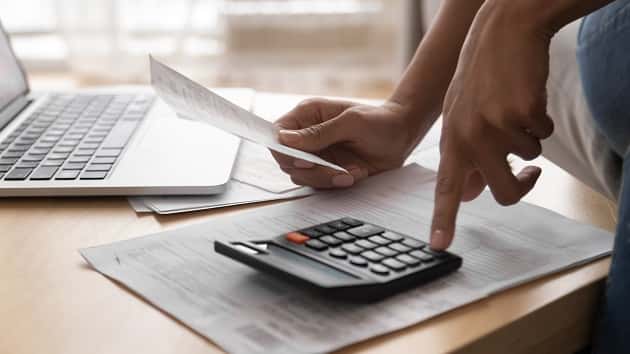
December 4, 2025 ~ Having a checking account can make it easier to manage your money, especially when you're dealing with the financial impact of a chronic or serious medical diagnosis. From safely receiving income to paying bills on time, checking accounts offer many benefits. This blog explains how to open a low-cost checking account, where to find one, and what to bring.
Why a Checking Account Matters
For people diagnosed with a serious or chronic medical condition, a checking account can:
- Make money easier to access – You can get income through direct deposit from Social Security, disability benefits, or work. No need to visit the bank in person.
- Help pay bills on time – You can schedule automatic payments for rent, prescriptions, or medical bills.
- Keep your money safe – Direct deposit is more secure than a paper check.
- Give you faster access to funds – This is important when facing urgent expenses like treatment costs.
- Track your spending – Most accounts offer online tools or apps to help manage your budget.
- Avoid extra fees – Some banks offer perks if you use direct deposit or meet certain requirements.
Free or Low-Cost Checking Accounts at Major Banks
Many large banks will waive monthly fees if you set up regular direct deposits—such as from the Social Security Administration (SSA), Supplemental Security Income (SSI), or Social Security Disability Insurance (SSDI). Here are some examples*:
| Bank | Minimum Deposit | Monthly Fee | How to Avoid the Fee |
|---|---|---|---|
| Bank of America Advantage Plus | $100 | $12 | Direct deposit of $250+ per month or daily balance of $1,500+ |
| Wells Fargo Everyday Checking | $25 | $10 | Direct deposit of $500+ per month, balance of $500+, or primary account holder is age 17–24 |
| Chase Total Checking | None | $12 | Direct deposit of $500+ per month or daily balance of $1,500+ |
| Citibank Access Checking | None | $5 | At least one monthly direct deposit of at least $250 |
Online Bank Accounts with No Monthly Fees
Online banks often offer checking accounts with no minimum balance and no monthly fees. However, they do not have branches for in-person help. These accounts may be a good fit if you are comfortable managing your finances online. Some examples* include:
| Online Bank | Minimum Deposit | ATM Access | Website |
|---|---|---|---|
| Capital One 360 | None | 70,000 fee-free ATMs | ATM Locator |
| Chime | None | 47,000 fee-free ATMs | Chime ATM Map |
| Ally Bank Interest Checking | None | 75,000 fee-free ATMs + $10 monthly ATM fee refund | Ally ATM Locator |
What to Bring When Opening a Bank Account
Whether you apply in person or online, you’ll typically need:
- A government-issued photo ID (e.g., driver’s license, passport)
- Proof of address (e.g., utility or phone bill)
- Your Social Security number or card
- Money for the opening deposit, if required
Tip: Ask for the account by name to avoid monthly fees or requirements.
Avoiding Fees
Using in-network ATMs is usually free. If you use out-of-network ATMs, you may be charged about $2.50 per transaction. Online banks often offer more fee-free ATM options or reimbursements.
Overdraft fees happen when your account doesn’t have enough money to cover a transaction. These fees can be $30–$35 each time. Here are ways to avoid them:
- Set up low-balance alerts
- Opt out of overdraft coverage (your card will be declined instead of charging a fee)
- Link a savings account for automatic transfers
Is My Money Safe?
Yes. Most U.S. banks are insured by the Federal Deposit Insurance Corporation (FDIC). This protects your money—up to $250,000 per person—if the bank fails. You don’t have to sign up. Just check that the bank is FDIC-insured.
Are There Special Accounts for Government Benefits?
Some banks offer checking accounts designed to receive government benefits, like those from the Social Security Administration (SSA), including Supplemental Security Income (SSI), or Social Security Disability Insurance (SSDI). These accounts may have lower fees or different requirements. Always ask the bank for the most up-to-date information.
What Is an ABLE Account?
An Achieving a Better Life Experience (ABLE) Account is a savings account for people with disabilities that began before age 26. Money in an ABLE account grows tax-free and can be used for health care, housing, transportation, and more—without affecting SSI or Medicaid eligibility.
Learn more at the ABLE National Resource Center.
Need Help with Financial Issues After a Serious or Chronic Medical Diagnosis?
Triage Health provides free tools and education to help people manage the financial and legal challenges that can come with a diagnosis.
Visit TriageHealth.org/Navigating-Finances for more information.
*Triage Cancer does not endorse or recommend any financial product. This information is being provided for informational purposes only.